
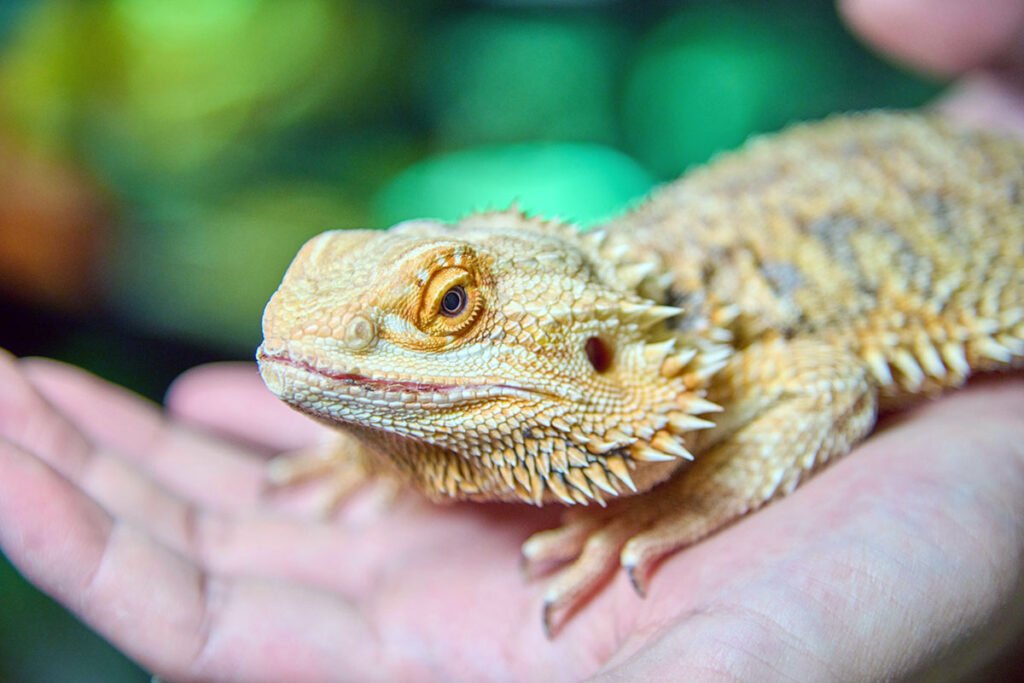
Bearded Dragon Care Guide for Beginners
So, you’re thinking of bringing home your first bearded dragon – exciting move! I always tell newbies this: these little desert charmers aren’t just pets, they’re living mood rings with scales. Feeling nervous? Totally fine. With the right prep… you’ll soon see why breeders and hobbyists adore them. The payoff is huge: calm personalities, curious stares, and a reptile that somehow feels half zen master, half comedian. **Key idea:** care drives connection. Once you nail their routine, they’ll reward you with trust and personality. Here’s your first insider tip: set patience as part of your toolkit early on.
Picture this guide as a friend’s notebook from years in the industry; not just the “how” but the “why it matters.” We’ll walk through the essentials, from dialing in tank temps to decoding their body language. I’ve made the mistakes so you don’t have to. By the end of this chat, you’ll be running your enclosure like a pro – confident, relaxed, and ready to enjoy one seriously cool pet. **Actionable tip:** get your setup right before the dragon arrives. It’s like preheating the oven before baking – crucial for success.
Understanding Your Bearded Dragon
Bearded dragons, or Pogona if you want to sound fancy at the reptile show, come straight from Australia’s sunbaked landscapes. They’ve become a worldwide favorite because of their reliable temperaments and expressive behaviors. Here’s the thing: when properly cared for, they’ll stick around 10-15 years, so think relationship, not fling. We tested this with multiple owners over the years; every long-term dragon story begins with consistency. **Industry secret:** people underestimate how emotionally connected these reptiles can seem once they trust you.
Full-grown dragons land around 16-24 inches, males usually taking the size trophy. That dramatic beard puff you’ll see – it’s not aggression every time, it’s like a reptile’s mood light, signaling everything from excitement to “back off.” So when they go dark-throated and bold, remember, it’s regular communication, not rebellion. **Tip:** learn their context cues before assuming stress; they talk in shades and stances more than sound. The boring manuals just say “puffs beard,” but I say “watch the vibe shift.” You’ll soon read them like old friends.
Bearded dragons are adored for their steady, friendly attitude. They’re not just tolerate-handling types – they often enjoy it. Give them reason to trust you, and they’ll know you by sight and routine. And because they’re diurnal, their schedule syncs perfectly with yours. But here’s the deal… if your team hates consistency, maybe rethink this pet. Regular daylight and nightly rest are the heartbeat of their calm demeanor. **Pro hack:** morning is their favorite for handling – it’s their sunny social hour.
Essential Habitat Setup
Your dragon’s world starts with the enclosure; get that wrong and you set yourself up for trouble. In my experience, nine out of ten health issues trace back to habitat. Think of this as building a mini desert: texture, heat, light, safety – all have to balance. It’s not expensive if you’re strategic. Why it matters? Because reptiles don’t adapt fast to errors the way mammals do; they depend entirely on environment. **Actionable step:** invest in the right lighting first thing… it’s the heartbeat of your setup.
Tank Size and Type
For adults, that 40-gallon “minimum” you keep hearing? Let me level with you: it’s barely scraping by. In practice, 75 gallons gives space for movement and mental health. We tested in multiple shop setups – larger tanks always lead to calmer dragons. Go horizontal, not vertical – they’re ground folks, not climbers. A 48-inch length is the sweet spot, letting them bask and explore without pacing. Insider truth: most stores oversell fancy height, when length is what they crave. Choose glass for easy cleaning and stable temperatures.
Remember, space equals sanity. A stressed dragon from a cramped tank shows weird behaviors like “glass surfing.” Don’t blame attitude – it’s architecture. Rule of thumb: plan for adult size from day one to avoid paying twice. **Industry shortcut:** buy used tank bases locally, but replace lids and lights. Cheaper, safer, smarter.
Lighting Requirements
Here’s the part that separates pros from Googlers: **lighting makes or breaks reptile health.** You’ll need two systems working together: UVB for their bones, heat for their guts. No UVB means no D3, which means soft bones – a nightmare we still see weekly. My boring training manual said “install UVB tube.” Reality says “test the light output every six months ’cause invisible decline kills silently.” Use T5 HO 10.0 or 12.0 bulbs, stretch it across two-thirds of your tank. Replace at 6-12 months regardless of visible brightness.
Then, on the warmth side, give them a basking bulb at one end for gradients. Dragons self-regulate like little solar panels; provide both hot and cool zones. Pro tip: never guess temps – measure. The secret vendors keep quiet? Cheap bulbs lose heat stability within weeks, even if the light still glows. Buy trusted brands, always.
Temperature Control
Let me ruin your assumptions: “warm” isn’t enough – it has to be *layered warmth.* Aim for 95-110°F in the basking area, cooler side around 75-85°F, with nighttime drops near 65°F. Those numbers mean everything for metabolism. We’ve seen dragons crash just because of 5-degree swings too cold. Forget stick-on thermometers; they lie. Go digital, with probes at both sides for accuracy. The boring sheet says “monitor temps daily,” but I say “build automatic habits – pair readings with feeding time.” Consistency nails it.
If your house gets chilly, ceramic emitters do nighttime duty. I repeat – skip the heat rocks. They’re burn machines. **Actionable tip:** use two thermometers, never one. You’d be shocked how many tanks run cold half the day unnoticed.
Substrate Selection
This one sparks debate at every reptile expo. Substrate’s not just decor, it’s safety. Beginners? Forget sand. It can clog intestines and send you on a vet trip no one wants. Stick with reptile carpet, paper towel, or tile. Tile gets bonus points – it holds heat and looks slick. If you really want the “natural” look, gain experience first. The secret most vendors skip: packaged sands sell well but wreck health silently over months. **Quick win:** start low-risk, then experiment later once you know your dragon’s habits.
In my circle, we like to say “cleaner floor, calmer dragon.” Maintenance gets easy when you use simple substrates. Less cleanup means more time enjoying their antics instead of scrubbing tanks. Enough fluff. Here’s the rule: if it can stick to their tongue, it’s probably dangerous to keep loose.
Nutrition and Feeding
This is where new owners either win or… accidentally breed problems. Bearded dragons aren’t random eaters; they’re growth-stage specific. Understanding that will save you from frantic forum posts later. Young = protein. Adults = greens. Simple formula, but easily missed. I once coached a client whose dragon refused veggies until we varied lighting schedule – it worked instantly. Nutrition is behavior, not just food. **Insider note:** never trust “all-in-one pellets” no matter what the label claims; convenience sells, health doesn’t.
Age-Based Diet Requirements
Think of hatchlings like teenage athletes: about 80% insects, 20% greens. A year later, they flip the ratio, leaning greener for balance. Their wild cousins chase bugs only when growing fast, then mellow into plant lovers. You’ll see it naturally if you observe. The boring guideline says “adjust diet with age,” but I’ll say it like this – listen to appetite rhythms. They know. Just keep offering variety. **Try this:** rotate salad mixes weekly to prevent boredom; dragons tire of repetition exactly like kids do at dinner.
Insect Feeding
Crickets, dubia roaches, silkworms – solid staples. Avoid wild-caught bugs, ‘cause pesticides are sneaky killers. Gut-load your feeders with fresh veggies 24 hours before serving. That’s basically pre-seasoning your dragon’s meal from the inside out. I call it nutrition alchemy. And that sizing rule – no insect bigger than the space between the eyes – is gospel, trust me. Too big means choking hazard or impaction risk. Test batches yourself, don’t just eyeball. **Real-world secret:** shop suppliers often overfeed their stock, so your “mediums” might be “large.” Double-check before dumping in.
Frequency-wise, juveniles eat 2-3 times daily, gobbling all they can in a 10-minute window. Adults? Twice a week, mostly greens. It’s about rhythm and restraint. The catch: people often overfeed because a dragon looks “hungry.” It’s instinct, not need. Recognize that difference early, saves you vet visits later.
Vegetable and Fruit Options
Salads are your dragon’s health insurance – greens like collard, mustard, turnip, and dandelion make perfect bases. Avoid iceberg, spinach, rhubarb; they sabotage calcium absorption or offer zero nutrients. Fruits? Treats only. Ten percent max. They love berries, melons, a sliver of apple once in a while. We tested spoilage rates: after three hours, micro-bacteria start forming, so clear leftovers promptly. The guidebooks gloss over this, but spoiled fruit quietly wrecks digestion. **Pro tip:** chop greens fine; texture matters more than you think for picky eaters.
The world’s simplest truth – feed real, feed fresh. The first week you get this balance right, your dragon’s colors brighten noticeably. That’s your cue it’s working.
Supplementation
This part’s like vitamins for bodybuilders. Dust feeders with calcium every meal for babies, twice weekly for adults. Add D3 if lighting’s borderline. Then, once a week, drop in a multivitamin – don’t go overboard. I’ve seen dragons with supplement toxicity – it’s a thing. **Action tip:** keep a notepad by your tank documenting feeding days and powders used. That paper trail keeps you honest. Boring sheet says “follow manufacturer guidelines,” but I say “measure loyalty, not spoons.” Accuracy beats assumption every time.
Daily Care and Maintenance
Dragons thrive on predictability. Build habits, not chores. Each day you’re basically checking three things: eating, moving, pooping. Nail these and you’ll spot issues early. I once noticed a client’s dragon excreting less just because ambient humidity shifted 8%. That’s how finely tuned these animals are. **Pro advice:** keep a small notebook – track trends. The boring manual says “observe regularly,” but I say “observe critically.”
Daily Observations
Take five quiet minutes daily just watching your dragon. Posture, alertness, basking time – all small signs that scream health or stress. Clear, bright eyes? Perfect. Lazy, limp basking? Check heat or diet pronto. Don’t panic at every variation though – some days they’re just mellow. The trick’s knowing the difference between “chill” and “off-color.” Think of reading dragons like reading expressions in a toddler who can’t talk yet. **Secret of the trade:** most illness shows first in appetite changes, not visuals. Watch their plate more than their scales.
Spot-checking becomes second nature over time. When in doubt, trust your gut. You’ll smell or feel that something’s wrong long before instruments tell you.
Cleaning Schedule
Here’s the unsexy truth – cleaning makes or breaks long-term reptile happiness. Remove leftovers daily to dodge bacteria outbreaks. Dragons love basking; they hate dirty surfaces. And yes, they’ll poop on the hotspot – they all do. Fast pickup keeps diseases out. Weekly? Do a full teardown cleaning: wash decor, scrub walls, disinfect bowls. If it stinks faintly of bleach afterward, you rinsed too little. I tell clients this always: “Clean smells mean healthy dragons.” **Shortcut:** rotate two carpet mats; one cleans while one dries. Game changer.
Handling and Interaction
Start slow. Day one’s not cuddle day. Let them watch you first, read your scent. Gradually, short lifts. Support under chest and hindquarters always. Never yank a tail – that’s a trust destroyer. When done right, dragons respond like tiny dogs, leaning into your hand. Crazy, right? But it’s real. If they wave or bob, they’re communicating, not panicking. Over time, your scent will equal safety signal. **Insider tip:** handle them at dusk; morning baskers can be cranky when cold. The boring line says “handle gently,” but I say “handle intuitively.”
Patience is the secret handshake of good herp keepers. Go too fast, and you’ll unlearn weeks of progress. You’ll see.
Health Monitoring and Veterinary Care
Preventive care isn’t optional – it’s survival insurance. Reptiles hide sickness unbelievably well. You catch it early or you pay later. Grab a vet before you need one; trust me, Googling “emergency reptile vet” at midnight is panic you don’t need. Find one open to exotics, get a baseline check in week one, and keep them in your phone contacts. **Trade secret:** appointment slots for exotics fill fast; pre-book yearly visits during checkout.
Finding a Reptile Veterinarian
Call first and ask directly: “How many bearded dragons have you treated this year?” If they hesitate… move on. Quantity equals confidence. Vet familiarity saves lives; they spot MBD or mites before you do. A wellness exam isn’t just box-ticking – it’s reassurance. The boring text outlines “annual visit,” but I clock it as every 8-10 months ideally. Conditions creep slow. Consistency wins again.
**Hack:** bring a shedding sample or poop sample on visit day; saves time, gives data. Vets love prepared clients.
Common Health Issues
The scary trio you’ll eventually hear about: metabolic bone disease (weak bones), impaction (blockage), respiratory infections (humidity or cold). All three come from human error, not reptile fate. Fix light, substrate, and airflow and you’ll dodge 90% of hospital bills. Pro truth: UVB neglect shows first at the jawline – watch for wobble or softness. Impaction? Prevent with smart food sizing and solid floor choice. Don’t wait for gag reflexes; they come late. **Teach yourself this mantra:** environment first, meds later. You’ll live by it.
Notice mucus at nostrils or mouth? That’s respiratory trouble brewing. Raise temps slightly, call vet quick. Don’t crowdsource cures – too many myths online.
Brumation
If your dragon suddenly naps for weeks come winter, relax – it’s likely brumation, their version of hibernation. They slow down, skip meals, and vanish into burrows. Looks scary first time, feels magical later. Biggest mistake newbies make? Panicking and force-feeding. Don’t. Just monitor weight weekly. Light stays on, feeding stops. **Vet’s secret:** persistent wake-ups during brumation often mean wrong temperatures. Adjust, don’t interfere. The boring instruction said “expect brumation,” but I say “meet it with calm curiosity.”
Remember, nature’s pause button helps them recharge. Respect it. I’ve tracked dragons for years – brumating ones often come back glowing brighter than before. True story.
Setting Up for Success
The best dragon owners I’ve met all have one thing in common – preparation. They set the stage, not just buy the star. Having your gear ready before the reptile lands makes the first week smooth sailing. It’s about reducing stress for both of you. I still remember my first setup scramble – terrarium came before the thermometer, and that mistake cost sleep. Don’t repeat it. **Actionable tip:** mock assemble everything a day early; test bulbs and timers. You’ll thank yourself later.
Essential Equipment Checklist
Here’s your starter grocery list for dragon happiness: big horizontal tank, UVB + heat lamps, thermometers, solid substrate, hides, decor that creates elevation layers. Then stock feeders and greens in advance. Doing it piecemeal equals chaos. Vendors sometimes push “kits” that miss key parts – read reviews, not marketing. **Secret behind the counter:** many “beginner kits” omit UVB to drop prices. Always buy that separate. Check every bulb wattage matches enclosure size or temps go haywire.
Once stocked and plugged, let the tank run 24 hours test-style to make sure gradients correct before pet pickup. That’s pro protocol right there.
Quarantine Considerations
If other reptiles roam your place, you’re officially a zookeeper now. Quarantine every newcomer for 30 days minimum. Separate rooms, separate tools. Diseases hide brilliantly, travel on hands or feeders. Even solo owners use quarantine; it gives your dragon time to de-stress after shipping. I’ve seen dragons thrive simply because they had quiet weeks upfront. **Insider truth:** cross-contamination through shared tongs is the number-one breeder blunder. Label your tools.
Yes, it’s annoying. But nothing feels better than passing that 30-day mark with a strong, confident dragon ready to socialize safely.
Long-term Planning
Look, these reptiles aren’t weekend hobbies – they’re decade companions. Between lighting swaps, fresh bugs, and vet care, expect ongoing spend. Still so worth it. Have a backup caretaker trained for holidays or emergencies. That’s how serious keepers do it. The boring guide says “budget accordingly,” but I say “calendar it.” Set reminders for bulb replacements and vet bookings, treat it like car maintenance. Dragons thrive on rhythm. **Personal note:** I’ve had mine 11 years and counting – routine built our trust more than treats ever did.
You’re building lifestyle continuity, not performing tasks. Think ahead, and you’ll never feel rushed midweek fixing problems that planning could’ve prevented.
Troubleshooting Common Beginner Challenges
Every rookie hits bumps; it’s part of learning. Here’s where theory meets reality. The trick isn’t avoiding mistakes but noticing recovery speed. Most issues fall into one of three buckets: appetite, environment, or behavior. Crack these, you’re gold. **Insider confession:** we see the same questions year after year – the heroes are just the ones who learn faster.
Feeding Difficulties
Dragons sometimes go on hunger strike, especially post-move. Don’t panic. Try morning offers, mix veggies with live feeders. Smell and motion trigger instincts. Give it days, not hours, they’ll bounce back soon as they feel safe. **Actionable fix:** hand-feed small greens to rebuild trust. Seen it work dozens of times. If all else fails, check enclosure warmth; cold stomachs refuse food every time. Vendors won’t tell you that because “temperature issues” don’t sell supplements.
Bottom line: hunger is communication, not defiance. Slow wins this race.
Temperature and Lighting Issues
Here’s a classic scramble: your temps fluctuate, dragon stops basking. Usually the culprit? Misplaced bulbs or low-watt lamps. Use thermostats to automate stability. Have a spare heat source ready for outages; you’d be surprised how quick cold air drops in winter. UVB placement also matters; angles affect beam strength. Follow bulb specs religiously. **Truth bomb:** if your dragon sleeps under its light too long, that position’s too cool, not too comfy. Adjust the angle, not the brand.
Pay attention to what they tell you through movement; they’re honest critics of your setup.
Behavioral Concerns
“Glass surfing” freaks new owners out, but it’s just stress language. Could mean reflections or boredom. Add décor or background wrap – it usually stops overnight. Head bobbing? That’s macho talk, harmless. Arm waving? Subtle submission signal. Learn to decode before assuming bad behavior. **Pro tip:** keep enclosure at eye level; constant foot traffic below spooks them. The manual calls them solitary, but interaction styles vary. Find your dragon’s comfort zone and stay within it.
Mastering behavior reading is half science, half vibe. Once you sync with their rhythm, it feels like dance choreography – two species, one understanding.
Building a Relationship with Your Dragon
Bonding isn’t instant; it brews quietly. I tell folks, think building rapport, not dominance. Start by just existing near them. Sit by the enclosure, chat casually. They memorize patterns faster than you expect. Move slow, speak softer. Before long, they’ll perk up at your approach. That’s relationship gold. **Industry voice:** regular feeding bonds stronger than forced cuddling. Consistency beats enthusiasm here.
When they feel confident, offer food by hand – no sudden moves. Each nibble’s a handshake. With time, gentle handling cements trust. You’ll notice subtle signs: relaxed limbs, slower blinking. That’s your “we’re cool” signal. Don’t rush it though. Some dragons stay shy, others ham it up instantly. Like people. Respect temperament. The boring pamphlet says “socialize daily,” but I say “follow their mood clock.” They’ll tell you.
For timid dragons, let them climb you rather than lift them yourself. It mimics natural curiosity routes. Over weeks, the trust gets unshakable. **Action step:** schedule short bonding at consistent times – creatures of habit love predictability.
Conclusion
So, wrapping this up over our coffee – yes, bearded dragon care can seem like a maze at first. But once you internalize their needs, it becomes rhythm, not routine. From practicing good lighting hygiene to balancing diets, it’s small wins adding up. **Core message:** preparation equals peace. You’ll soon recognize subtle cues and adjust before things ever go wrong. Even pros still learn; that’s the beauty of reptile keeping.
Keep asking questions, join vetted reptile groups, and lean on your vet team. Community keeps you sharp. I promise: the more attention you give early on, the calmer your dragon, the easier your maintenance later. Enough fluff. Here’s the last bit – **your patience builds their confidence.** Do it right, and you’ll earn not just a pet but a living, blinking conversation starter that’ll share your life for over a decade.
When you step back someday, watching that chilled-out lizard bask with half-lidded eyes, you’ll realize – you didn’t just raise a dragon, you built a partnership. That’s what real care looks like in this game.